Power interruptions can occur with little warning. Severe weather, equipment faults, maintenance work, overloaded networks, and damage to electrical infrastructure can all interrupt the normal supply. A household or organization that depends on electricity for communication, refrigeration, security, or essential operations benefits from having a clear plan before an outage happens.
An Emergency Power Unit is equipment intended to provide electricity when the usual source becomes unavailable. It may be a portable battery station, a UPS, an inverter-and-battery system, or a standby generator. These technologies differ in output, runtime, transfer speed, and installation requirements, so choosing one starts with identifying what must remain operational.
Prepare a List of Essential Loads
The first task is deciding which devices genuinely need backup power. During an outage, a home may prioritize lighting, mobile-phone charging, internet access, refrigeration, and essential medical equipment. A business may need to protect computers, network equipment, access controls, security systems, or selected production functions.
Separate these critical loads from appliances that can remain switched off. This avoids sizing the backup system for unnecessary demand and can make the installation more affordable.
Record each device’s power requirement and expected operating time. Include starting current for equipment such as pumps and refrigerators, since their initial demand may exceed normal running consumption.
1. Select a Technology That Fits the Response Time
Different backup systems are designed for different situations.
A UPS can provide rapid battery support for computers, networking devices, and other equipment that cannot tolerate a sudden loss of power. A portable battery station can supply selected devices for a defined period and may be useful where flexibility is important.
An inverter connected to a battery bank can support a planned group of household or commercial loads. A standby generator may be appropriate when longer operation or higher power is required, provided fuel and safe installation arrangements are available.
The transfer time is particularly important for sensitive equipment. A generator may take time to start and stabilize, so it may need to work alongside a UPS for loads requiring uninterrupted supply.
2. Calculate Power and Backup Duration
An emergency system must provide sufficient power at the moment it is needed and enough stored energy or fuel to operate for the required duration.
For battery equipment, calculate the energy used by each load over the expected backup period. A device drawing 100 watts for five hours requires approximately 500 watt-hours before accounting for conversion losses and battery operating limits.
For generators, check the continuous output rating, surge capability, and expected fuel consumption at the intended load. Do not confuse maximum output with the rating available for sustained operation.
3. Plan for Fuel or Battery Recharging
Fuel-powered generators depend on an adequate supply of the correct fuel. The storage arrangement must comply with fire-safety and local regulations, and fuel quality must be maintained according to the engine manufacturer’s instructions.
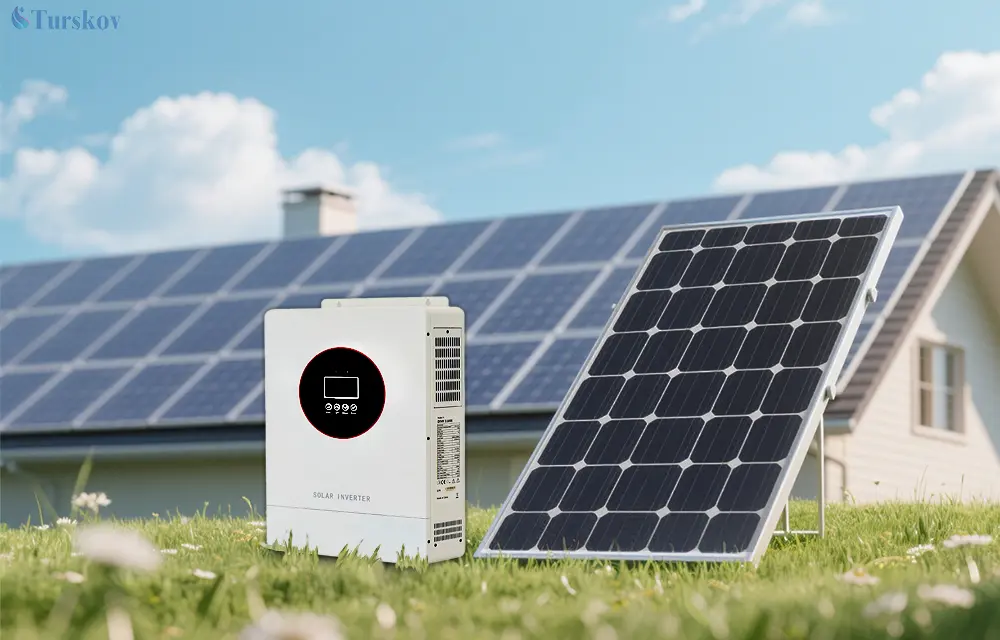
Battery systems need a reliable way to recharge. Mains charging is convenient when electricity returns, while compatible solar panels may provide an additional source in suitable conditions.
For outages that last several days, consider how energy will be replenished. A battery with a large capacity may still be insufficient if the system cannot be recharged during extended interruptions.
4. Install Equipment Safely
Electrical backup systems must be connected correctly. A fixed generator installation may require a transfer switch to prevent electricity from feeding back into utility lines. A battery inverter connected to selected building circuits also needs appropriate protection and isolation.
Never connect a generator to household wiring through an ordinary wall socket. This can create dangerous backfeed conditions and expose utility workers or occupants to electrical hazards.
Fuel-powered generators must operate outdoors in a safe location. Never run them inside a building, garage, shed, or enclosed area because carbon monoxide can accumulate. Follow the manufacturer’s instructions for clearances, exhaust direction, and weather protection.
5. Create an Operating Procedure
Everyone responsible for the system should know which loads are backed up, how to start or activate the equipment, and what to do if an alarm appears.
Keep operating instructions accessible. Label relevant switches and circuits, and explain which appliances should remain disconnected to prevent overloading.
For automatic standby systems, confirm that the transfer equipment is configured correctly and that users know how to respond if the system fails to start.
6. Test Before an Emergency Occurs
An unused backup system can develop problems without obvious warning. Batteries may lose charge, fuel may deteriorate, and engine components may need servicing.
Test the system according to the manufacturer’s schedule. Generator checks should include suitable operating tests, while battery systems should be checked for charge status, alerts, visible damage, and correct output.
Keep records of test dates, maintenance, battery replacements, and faults. Address problems before they become urgent.
Preparedness Makes Backup Power More Useful
An emergency power unit is only one part of outage readiness. Correct sizing, safe installation, fuel or charging plans, clear operating instructions, and routine testing all contribute to dependable performance.
By identifying essential loads and choosing a suitable technology in advance, households and organizations can respond more effectively when the normal electricity supply is interrupted.