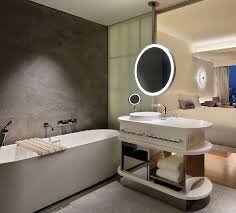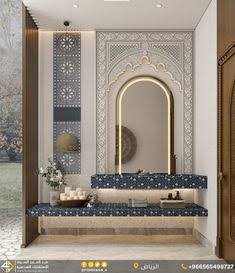
The development of contemporary ablution facilities has introduced new possibilities for fixture shapes, surface finishes, and installation arrangements. Architects and property owners can now evaluate washing equipment according to a wider range of interior requirements rather than relying exclusively on conventional bathroom products. Nevertheless, selecting an appropriate basin still requires a clear understanding of material characteristics and the practical demands of Wudu.
When researching available products, a Muslim basin should be examined from both a design and technical perspective. Its proportions, construction, surface finish, and mounting method influence whether it is suitable for a particular project. Exploring the available material choices also helps buyers understand the differences between visual preferences and documented product performance.
Modern Design Directions
Contemporary ablution fixtures generally follow several broad design approaches.
Minimalist Geometric Designs
Straight edges and simple proportions suit modern mosques, residential bathrooms, and commercial prayer rooms.
These designs can coordinate with large-format tiles, understated accessories, and neutral interior palettes.
Their relatively uncomplicated appearance may also help maintain a visually organized room.
Curved and Soft-Form Designs
Curved shapes can introduce a softer visual character.
They may work well in residential properties and hospitality interiors where designers prefer less rigid forms.
The curves should remain practical, with sufficient access for cleaning and comfortable washing.
Integrated Architectural Configurations
Some projects require fixtures that coordinate with surrounding surfaces.
Integrated-looking arrangements may provide a consistent appearance across washing stations and adjacent interior elements.
Their technical feasibility should be confirmed with the manufacturer before detailed drawings are finalized.
Comparing Common Basin Materials
Different materials offer different advantages and limitations.
Ceramic: A familiar sanitary material with a smooth surface and established bathroom applications. Its weight and susceptibility to certain forms of impact should be considered.
Solid surface: A manufactured material category used in contemporary interior applications. Selected formulations may support customized shapes and coordinated finishes, although characteristics vary between products.
Stainless steel: Often considered for practical commercial environments. The grade, finish, fabrication quality, and suitability for the intended exposure should be checked.
Natural stone: Provides distinctive natural patterns and textures. Weight, porosity, sealing, and cleaning requirements need particular attention.
No material is automatically the best choice for every ablution project.
Understand Surface Finishes
The finish influences the appearance of the washing area.
Glossy surfaces can reflect light and create a bright impression, while matte finishes may provide a more understated look.
Textured surfaces can introduce visual interest but should not be difficult to clean.
Buyers should request physical samples and compare them with the proposed wall and floor materials.
It is also important to confirm whether the chosen finish has any special cleaning restrictions.
Select a Design According to Installation Conditions
A visually appealing basin may still be unsuitable if it does not fit the room.
Check the available width, depth, mounting height, and surrounding clearance.
Wall-supported installations require appropriate structural backing. Other configurations may need different support arrangements.
Plumbing connections and drainage outlets should be coordinated before installation begins.
Consider Water Management and Safety
Modern design should include practical wet-area details.
The floor needs appropriate slip resistance and suitable gradients toward drainage outlets.
Waterproofing should protect the surrounding structure, while ventilation helps manage humidity.
Faucet positioning should reduce unnecessary splashing and provide convenient access.
For shared facilities, the design should accommodate multiple users without restricting movement.
Examine Long-Term Maintenance
Material selection should account for the cleaning routine of the building.
Ask the manufacturer for recommended cleaning products, surface-care procedures, and repair guidance.
Confirm whether replacement components are available and whether plumbing connections can be accessed easily.
A maintenance-friendly installation is generally easier for property managers to operate.
Selecting a Design with Confidence
Exploring modern Muslim basin designs is most valuable when aesthetic options are considered alongside technical requirements.
By comparing materials, reviewing samples, checking installation dimensions, and understanding maintenance needs, buyers can make more informed choices.
The ideal design is one that complements contemporary architecture while continuing to provide the practical space, comfort, and water access required for everyday ablution.