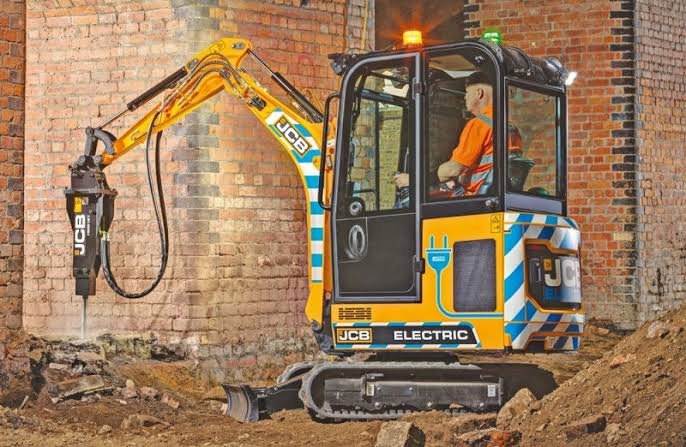
Operating an excavator safely requires more than knowing how to move the boom or control the bucket. Operators must understand the machine’s working limits, surrounding hazards, inspection procedures, and the responsibilities associated with moving heavy equipment. Battery-powered models introduce additional information that operators need to understand, particularly regarding charge levels, electrical warnings, and approved charging practices.
Before taking control of an electric powered mini excavator, an operator should become familiar with the manufacturer’s manual and receive suitable instruction for the specific model. Although many excavation principles remain familiar, the electric power system changes certain daily checks and operating routines.
Learn the Machine Before Starting Work
Different manufacturers use different control layouts, displays, safety systems, and operating procedures. Operators should not assume that experience with one excavator automatically prepares them to use another model.
Training should cover the location and function of controls, starting and stopping procedures, travel operation, boom and arm movements, emergency stops, warning indicators, and attachment changes. The operator should also understand the machine’s operating weight, stability limits, lifting restrictions, and permitted travel gradients.
If the machine includes electronic operating modes or energy-management features, the operator should learn how they affect machine behaviour. Any settings that influence performance should be used according to the manufacturer’s guidance.
Complete a Pre-Operation Inspection
Before use, inspect the machine in accordance with the approved checklist. Examine tracks, rollers, undercarriage components, bucket pins, attachment connections, boom structure, hydraulic hoses, and visible electrical components.
Check for leaks, loose parts, damaged guards, unusual wear, and signs of impact. Confirm that the cab or operator station is clean and that safety equipment is in working condition. Mirrors, cameras, alarms, and lights should be checked where fitted.
The battery display should also be reviewed. Confirm that the charge level is appropriate for the planned work and that no warning messages are present. If the machine shows an unexplained fault or damage is found, follow the manufacturer’s reporting and isolation procedures rather than continuing to operate it.
Understand Battery Indicators and Warnings
An electric excavator’s display may provide information about remaining charge, energy consumption, system status, and temperature. Operators should understand what each indicator means and how to respond to warnings.
Battery percentage should not be interpreted as a guaranteed number of remaining working hours. Consumption varies with the workload, soil conditions, attachment, travel, and operating technique. A demanding task may use energy more quickly than a light assignment.
Operators should follow the manufacturer’s recommended operating range and avoid ignoring low-charge or temperature warnings. If the machine indicates an abnormal condition, work should stop when required by the operating instructions.
Check the Work Area Before Moving
The site should be inspected for underground services, overhead obstructions, unstable ground, open excavations, slopes, and nearby workers. The operator must understand the boundaries of the authorised working area and the intended route between tasks.
Ground conditions can change across a project. Soft soil, loose gravel, wet surfaces, and unsupported edges may affect stability and traction. The machine should only be operated within the limits specified by the manufacturer.
Where visibility is restricted, use an agreed signalling or communication system with ground personnel. No worker should approach the excavator or enter its operating zone without following the site’s safety procedure.
Operate With Controlled Movements
Smooth and deliberate movements help the operator maintain control. Sudden changes in direction, unnecessary travel, and poorly coordinated digging movements can increase wear and make the work less predictable.
The operator should use the correct bucket for the task and avoid exceeding the machine’s capacity. Lifting operations require particular care. The manufacturer’s lifting chart and approved procedures should be followed, and the machine should be positioned on suitable ground.
When working near walls, pipes, landscaping, or existing structures, the operator should use controlled movements and maintain awareness of the attachment’s position. A spotter may be necessary where visibility is limited.
Understand Attachment Requirements
Attachments can change how the machine behaves and how much energy it uses. Before fitting a tool, verify its compatibility, hydraulic requirements, weight, and approved operating procedure.
Connections should be checked before use. Operators must understand the attachment’s controls and any limits on continuous operation. If a tool produces unusual vibration, noise, or movement, stop and investigate in accordance with the manufacturer’s guidance.
Follow Approved Charging Procedures
Charging is part of the equipment’s operating routine. Operators should know which charger is approved, how to connect it, what indicators show that charging is progressing, and how to identify abnormal conditions.
Charging should take place in a suitable location with the required electrical supply. Cables must be protected from damage and should not obstruct pedestrian routes or emergency exits. Operators should never open battery enclosures or attempt unauthorised electrical repairs.
Park and Secure the Machine Properly
At the end of a shift, park on a suitable surface and follow the manufacturer’s shutdown procedure. Lower the working equipment as instructed, secure the machine, remove the key or access device where applicable, and report any faults.
The operator should record operating hours, charge use, maintenance observations, and unusual behaviour. These records help the next shift prepare the machine and support planned servicing.
Competence Supports Reliable Performance
Electric mini excavators require the same attention to site hazards and machine stability as other excavators, alongside additional awareness of battery and charging systems. Operators who understand the controls, inspections, operating limits, and warning procedures are better prepared to use the equipment responsibly.
Before work begins, ensure that training, documentation, and site arrangements are in place. Familiarity with the specific machine is an essential part of safe and productive excavation.