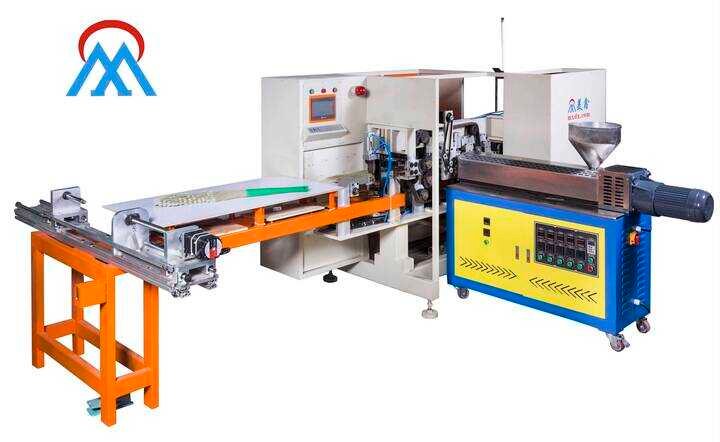
Industrial disc brush machines are used to manufacture brushes for cleaning, polishing, deburring, surface preparation, and material handling applications. Because different industries require different brush designs, choosing suitable equipment starts with understanding the application and production requirements.
When comparing Industrial Disc Brush Machines For Sale, manufacturers should look beyond basic machine specifications. Brush diameter, bristle material, production volume, automation, and finished-brush requirements can all influence which machine is the most suitable.
Start With the Application
The intended use of the finished disc brush should be the first consideration. A brush designed for light surface cleaning may have very different requirements from one used for aggressive deburring or polishing.
Identify the material being cleaned or processed, the type of contact required, and the desired surface result. These details can help determine the appropriate brush construction and machine capabilities.
Consider Disc Brush Size
Disc brush dimensions are an important factor when selecting manufacturing equipment. Determine the diameter, thickness, center hole, and overall configuration required for your finished brushes.
If your business produces multiple disc brush sizes, a machine with adjustable settings may provide greater flexibility. This can allow manufacturers to handle different orders without requiring completely separate equipment.
Select the Appropriate Bristle Material
Bristle material can significantly affect disc brush performance. Common materials include nylon, polypropylene, abrasive filaments, and wire.
Softer synthetic filaments may be suitable for cleaning delicate surfaces, while abrasive or wire filaments can be used for more demanding applications. The machine should be compatible with the materials required for your products.
Evaluate Bristle Density
Bristle density influences how a disc brush performs during operation. A higher density may provide more contact with a surface, while a lower density can be appropriate for applications where greater flexibility or material clearance is required.
Consider the required bristle pattern and spacing when comparing machines. Consistent placement is important for producing brushes with predictable performance.
Match Machine Capacity to Production Volume
Production volume should be considered before investing in equipment. A machine designed for high-output manufacturing may provide features that are unnecessary for a small production operation.
At the same time, choosing equipment with insufficient capacity can create production bottlenecks as demand increases. Estimate current and expected future production to identify a suitable capacity range.
Consider Automation Features
Automation can reduce repetitive manual work and improve consistency during disc brush production. Depending on the machine, automated functions may assist with feeding, positioning, drilling, filling, trimming, or other manufacturing stages.
The appropriate level of automation depends on your production requirements and available workforce. Choose features that provide practical benefits rather than simply selecting the most complex system.
Check Production Accuracy
Consistent bristle positioning is essential for high-quality disc brushes. Uneven spacing or inconsistent filling can affect brush balance, appearance, and performance.
When evaluating machines, consider the precision of the positioning and filling processes. Stable operation and accurate adjustment systems can help manufacturers maintain consistent results across production batches.
Review Maintenance Requirements
Maintenance should be considered before purchasing any industrial disc brush machine. Check how easily operators can access components for cleaning, inspection, adjustment, and replacement.
Also determine which parts are subject to regular wear and whether replacement components are readily available. Straightforward maintenance can help reduce downtime and keep operating costs under control.
Consider Available Floor Space
Machine dimensions and installation requirements should match the available space in your facility. Remember to account for operator access, material storage, loading areas, and maintenance clearance.
Electrical requirements and other installation conditions should also be reviewed in advance. Proper planning can make installation easier and prevent unexpected facility modifications.
Compare Total Ownership Costs
The initial purchase price is only one part of the overall investment. Energy consumption, labor, maintenance, tooling, spare parts, installation, and downtime can all affect the machine’s long-term cost.
A machine with a higher upfront price may provide better value if it delivers greater productivity and reliable performance. Comparing total ownership costs can help you make a more balanced purchasing decision.
Consider Technical Support
Reliable technical support can be useful during installation, training, troubleshooting, and routine maintenance. Before choosing a machine, check what documentation and assistance are available.
Access to replacement parts and technical guidance can also help reduce interruptions if a problem occurs during production.
Plan for Future Requirements
Your production requirements may change as your business develops. If you expect to manufacture additional disc brush sizes or increase production volume, consider whether the machine offers enough flexibility to accommodate these changes.
However, avoid purchasing capabilities that are unlikely to be used. The best choice is equipment that provides a practical balance between current needs, future flexibility, and overall cost.
Final Thoughts
Choosing the right industrial disc brush machine requires careful consideration of the application, brush dimensions, bristle material, density, production volume, accuracy, automation, maintenance, and operating costs.
By identifying your production requirements before comparing equipment, you can narrow down suitable options and avoid investing in unnecessary features. A well-matched machine can help manufacturers produce consistent disc brushes while supporting efficient and reliable long-term production.