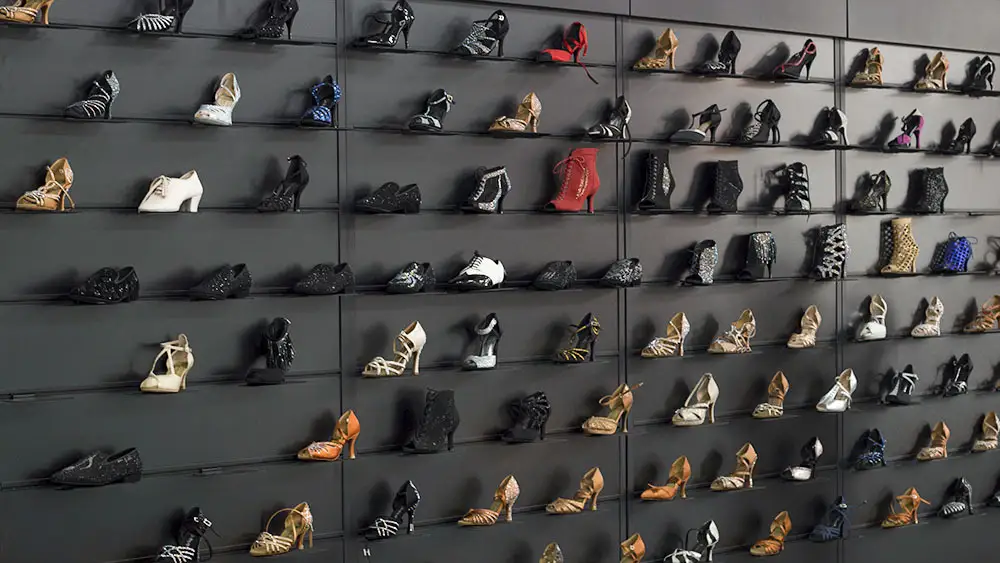
The quality of dance shoes depends not only on expert craftsmanship but also on the materials used during production. Every component, from the upper to the sole and lining, plays an important role in determining comfort, durability, flexibility, and overall performance. High-quality Handmade Dance Shoes are carefully crafted using premium materials that support natural movement while withstanding the demands of regular practice and professional performances. Understanding these materials can help dancers choose footwear that best matches their needs and dance style.
Why Material Selection Matters
Dance involves continuous movement, balance, and precision. Poor-quality materials can cause discomfort, reduce flexibility, and shorten the lifespan of a pair of shoes.
Choosing premium materials offers several advantages:
- Better comfort
- Improved durability
- Enhanced flexibility
- Increased breathability
- Greater overall performance
The right combination of materials allows dancers to move confidently while reducing fatigue during long practice sessions.
Genuine Leather Uppers
Genuine leather remains one of the most popular materials for premium handmade dance shoes.
Its benefits include:
- Soft, comfortable feel
- Excellent durability
- Natural flexibility
- Ability to adapt to the shape of the foot
- Professional appearance
As leather gradually molds to the wearer’s feet, it creates a personalized fit that enhances comfort over time.
Suede Soles for Better Floor Control
Suede is widely used for dance shoe soles because it provides the ideal balance between grip and glide.
Advantages of suede soles include:
- Smooth pivots
- Controlled slides
- Reliable traction
- Better floor sensitivity
These characteristics make suede particularly suitable for ballroom, Latin, salsa, and tango dancing.
Breathable Microfiber Linings
Comfort inside the shoe is just as important as the outer materials. Premium handmade dance shoes often feature breathable microfiber linings.
These linings help provide:
- Improved airflow
- Moisture control
- Reduced heat buildup
- Enhanced comfort during extended wear
A breathable interior keeps feet fresher throughout rehearsals and performances.
Cushioned Insoles
Quality insoles absorb impact while supporting natural foot movement.
Well-designed cushioning offers:
- Reduced foot fatigue
- Better shock absorption
- Improved comfort
- Additional arch support
Proper cushioning is especially valuable for dancers who practice for several hours each day.
Flexible Midsole Construction
The midsole influences how naturally the shoe moves with the foot.
A flexible midsole helps dancers:
- Point and flex their feet easily
- Execute smooth transitions
- Improve balance
- Perform precise footwork
This flexibility allows movements to feel more fluid without sacrificing support.
Durable Heel Materials
The heel must provide stability while maintaining its structure under repeated use.
Premium handmade dance shoes often use reinforced materials that offer:
- Strong support
- Consistent balance
- Long-lasting durability
- Better weight distribution
A well-constructed heel contributes significantly to overall dance performance.
High-Quality Stitching
While thread may seem like a minor detail, quality stitching plays an important role in the durability of handmade shoes.
Strong stitching helps:
- Maintain structural integrity
- Prevent separation
- Improve longevity
- Withstand repeated movement
Skilled craftsmanship ensures every seam remains secure even after extensive use.
Lightweight Construction Materials
Heavy shoes can reduce agility and increase fatigue.
Premium handmade dance shoes are designed with lightweight materials that allow dancers to:
- Move faster
- Perform smoother turns
- Maintain better endurance
- Improve overall control
Reducing unnecessary weight helps dancers perform more naturally.
Materials for Different Dance Styles
Different dance disciplines benefit from different material combinations.
Ballroom Dancing
Often uses:
- Genuine leather uppers
- Soft suede soles
- Stable heel materials
These features support graceful movement and elegant posture.
Latin Dancing
Frequently includes:
- Flexible leather
- Lightweight construction
- Breathable lining
- Responsive soles
These materials accommodate fast footwork and expressive movements.
Salsa and Social Dancing
Typically features:
- Soft leather
- Flexible soles
- Comfortable cushioning
- Lightweight materials
These combinations support quick spins and energetic dancing.
Durability and Long-Term Value
Premium materials increase the lifespan of handmade dance shoes.
High-quality construction helps shoes:
- Maintain their shape
- Resist everyday wear
- Preserve flexibility
- Continue providing reliable support
Although premium materials may increase the initial cost, they often reduce replacement expenses over time.
Caring for Premium Materials
Proper maintenance helps preserve both appearance and performance.
Simple care tips include:
- Brush suede soles regularly.
- Clean leather with a soft cloth.
- Store shoes in a breathable shoe bag.
- Allow shoes to air dry after use.
- Avoid prolonged exposure to moisture and direct heat.
Routine care ensures that premium materials continue performing at their best.
Finding the Right Balance
No single material is perfect for every dancer. The best handmade dance shoes combine multiple high-quality materials to create footwear that balances:
- Comfort
- Flexibility
- Stability
- Breathability
- Durability
Choosing shoes with the right material combination ensures better performance and long-lasting satisfaction.
Conclusion
The materials used in handmade dance shoes have a direct impact on comfort, durability, flexibility, and overall performance. Premium components such as genuine leather, suede soles, breathable linings, cushioned insoles, and reinforced heel materials work together to create footwear that supports dancers through every rehearsal and performance. By understanding the role of each material, dancers can make informed decisions and invest in handmade dance shoes that deliver lasting comfort, reliable support, and exceptional performance on the dance floor.