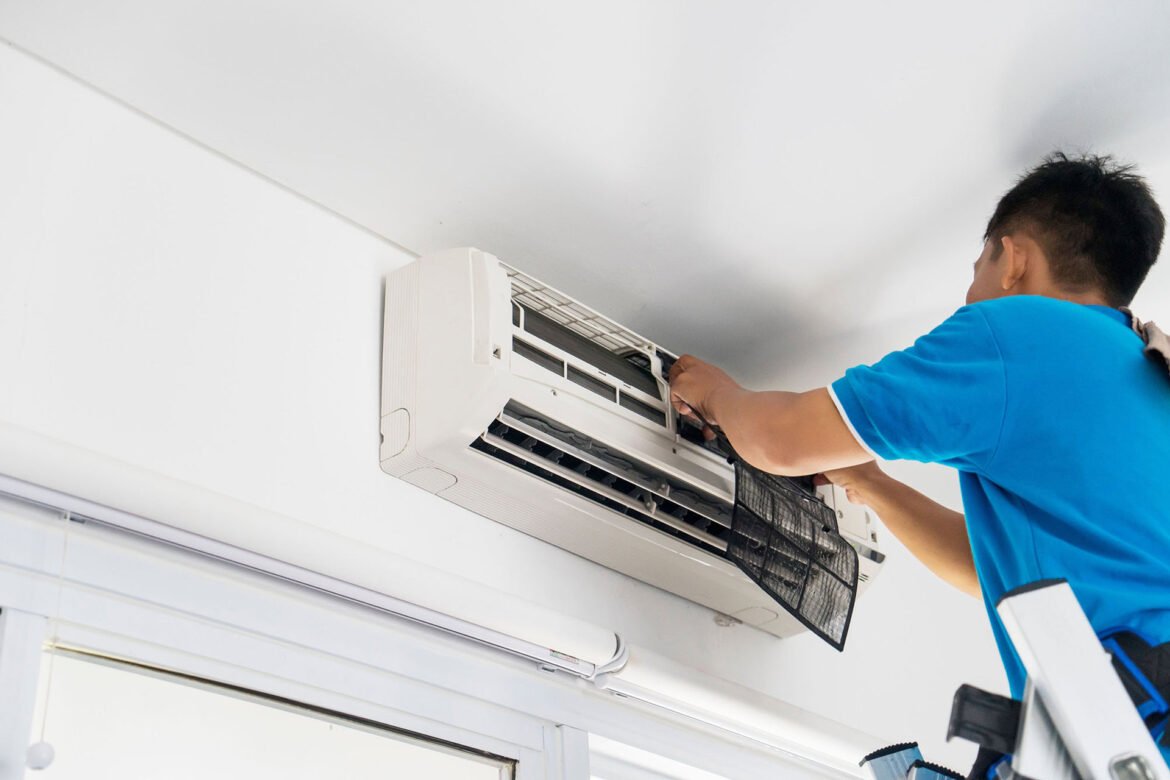
Your heating and cooling system plays a vital role in keeping your home comfortable throughout the year. Like any mechanical equipment, it can develop issues over time due to normal wear and tear. Recognizing problems early can help you avoid costly repairs, improve energy efficiency, and extend the lifespan of your system.
Many homeowners rely on HVAC systems every day without realizing that small warning signs often appear long before a major breakdown occurs. Understanding these early indicators can help you schedule maintenance before minor issues become expensive repairs.
Why Early Detection Matters
An HVAC system works continuously to regulate indoor temperature and maintain healthy air quality. Even a small malfunction can reduce efficiency, increase energy consumption, and place additional stress on other components.
Identifying problems early can help:
- Lower repair costs.
- Improve system performance.
- Reduce monthly energy bills.
- Extend equipment lifespan.
- Maintain consistent indoor comfort.
Weak Airflow
One of the most common HVAC problems is reduced airflow from the vents.
Weak airflow may be caused by:
- Dirty air filters.
- Blocked air ducts.
- Failing blower motors.
- Closed or obstructed vents.
If some rooms feel warmer or cooler than others, restricted airflow may be the cause.
Unusual Noises
HVAC systems normally produce a low operating sound. Loud or unusual noises often indicate that something needs attention.
Listen for sounds such as:
- Banging.
- Grinding.
- Squealing.
- Clicking.
- Rattling.
These noises can signal loose components, worn bearings, damaged fans, or motor problems.
Inconsistent Temperatures
If certain areas of your home remain uncomfortable despite adjusting the thermostat, your HVAC system may not be distributing air evenly.
Possible causes include:
- Dirty filters.
- Leaky ductwork.
- Thermostat issues.
- Failing compressors.
- Blocked vents.
Addressing these problems early helps restore consistent comfort.
Rising Energy Bills
A sudden increase in utility bills without changes in weather or usage often points to declining HVAC efficiency.
Several factors can contribute, including:
- Dirty coils.
- Aging equipment.
- Refrigerant leaks.
- Poor insulation.
- Clogged air filters.
Routine maintenance can often restore efficiency before major repairs become necessary.
Frequent Cycling
Your HVAC system should complete regular heating or cooling cycles.
If it constantly turns on and off, it may indicate:
- Incorrect thermostat settings.
- Dirty air filters.
- Oversized equipment.
- Electrical problems.
- Low refrigerant levels.
Frequent cycling places unnecessary strain on the system and can shorten its lifespan.
Strange Odors
Unpleasant odors coming from your vents should never be ignored.
Different smells may indicate different problems:
- Musty odors may suggest mold or mildew.
- Burning smells can indicate electrical issues.
- Rotten odors may point to contaminants within the ductwork.
Prompt inspection helps maintain both safety and indoor air quality.
Water Leaks Around the Unit
Moisture around your HVAC equipment is another warning sign.
Leaks may result from:
- Clogged condensate drains.
- Frozen evaporator coils.
- Damaged drain pans.
- Refrigerant issues.
Ignoring water leaks can lead to mold growth and property damage.
Poor Indoor Air Quality
Your HVAC system also affects the quality of the air you breathe.
Signs of poor indoor air quality include:
- Excessive dust.
- Increased allergy symptoms.
- Dry indoor air.
- Persistent odors.
- High humidity levels.
Replacing filters regularly and maintaining proper ventilation can greatly improve indoor air quality.
Thermostat Problems
Sometimes the HVAC system itself isn’t the problem.
A malfunctioning thermostat can cause:
- Incorrect temperature readings.
- Short cycling.
- Failure to start.
- Uneven heating or cooling.
Checking thermostat batteries and settings is often a simple first step before investigating larger issues.
Preventive Maintenance Tips
Routine maintenance is the best way to identify problems before they become serious.
Helpful maintenance practices include:
- Replace air filters every one to three months.
- Schedule annual professional inspections.
- Keep outdoor units free of leaves and debris.
- Clean vents and registers regularly.
- Monitor unusual sounds or odors.
- Test the thermostat periodically.
Consistent maintenance reduces the likelihood of unexpected system failures.
When to Call a Professional
While homeowners can handle basic maintenance tasks, some problems require professional diagnosis.
Seek expert assistance if you notice:
- Persistent poor performance.
- Refrigerant leaks.
- Electrical issues.
- Repeated system shutdowns.
- Loud mechanical noises.
- Major temperature inconsistencies.
Early professional repairs often prevent more expensive damage.
Conclusion
Understanding the most common HVAC problems helps homeowners recognize warning signs before they turn into costly repairs. Paying attention to airflow, unusual noises, inconsistent temperatures, rising energy bills, and other early symptoms can improve system performance and extend its lifespan.
With regular maintenance and prompt attention to developing issues, your HVAC system can continue providing reliable comfort and energy-efficient operation throughout every season.