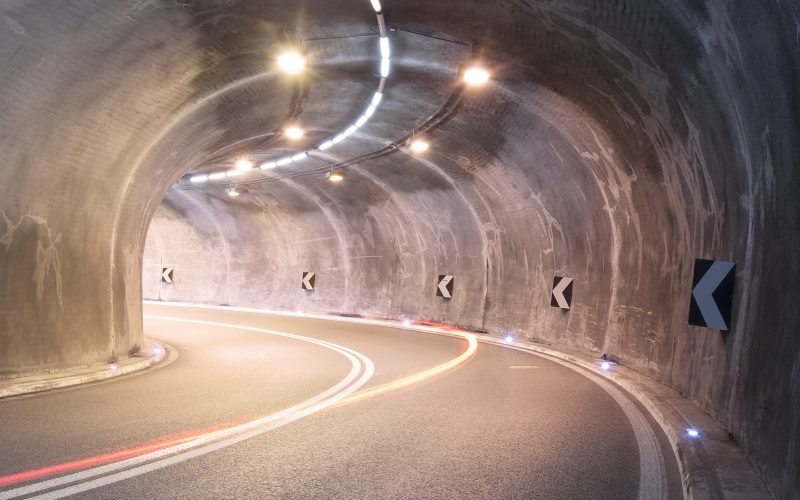
Tunnel lighting can consume significant amounts of electricity because fixtures often operate for extended periods. Improving energy efficiency therefore requires more than simply reducing fixture wattage. Factors such as optical performance, thermal management, lighting controls, and system design all contribute to overall energy use.
When working with an LED Tunnel Lighting Manufacturer, project planners can evaluate how fixture design and system technologies are used to reduce unnecessary power consumption. Efficient tunnel lighting should maintain suitable visibility while using electricity as effectively as possible.
Using High-Efficiency LED Components
LED efficiency is one of the primary factors affecting the energy consumption of a tunnel lighting system. Modern LED components can produce substantial light output while using less power than many conventional lighting technologies.
Manufacturers can improve efficiency by selecting LEDs with suitable luminous efficacy and operating them within appropriate electrical and thermal conditions. Component selection also needs to balance light output, reliability, and expected service life.
Improving Optical Efficiency
Not all generated light reaches the areas where it is needed. Optical design helps direct illumination toward the roadway and other required surfaces, reducing unnecessary light loss.
Manufacturers can develop lenses and reflectors with specific beam distributions for tunnel applications. Better optical control can allow the required illumination to be achieved with fewer fixtures or lower power levels, depending on the project design.
Optimizing Fixture Power
Using higher-wattage fixtures does not automatically produce a more effective lighting system. The appropriate power rating depends on factors such as mounting height, fixture spacing, tunnel dimensions, and required illumination levels.
Manufacturers can offer different power configurations to accommodate these variables. Selecting a fixture that matches the actual application can prevent excessive energy consumption caused by unnecessary output.
Applying Intelligent Dimming
Tunnel lighting requirements can change throughout the day, particularly near entrances and exits. During periods of lower daylight contrast, maximum fixture output may not always be necessary.
Dimming systems allow lighting levels to be adjusted according to operating conditions. This can reduce energy use while maintaining suitable visibility for road users.
Using Daylight-Based Controls
Natural light can influence lighting requirements near tunnel entrances. Sensors can detect external or threshold-area brightness and allow the lighting system to respond accordingly.
Instead of maintaining a fixed output throughout the day, a controlled system can increase or decrease illumination based on measured conditions. This approach can be especially useful in zones where daylight levels vary significantly.
Improving Thermal Management
Heat affects LED performance and can influence energy efficiency over the operating life of a fixture. Effective thermal management helps keep LED components within suitable temperature ranges.
Manufacturers may use heat sinks, thermally conductive materials, and carefully designed housing structures to dissipate heat. Stable operating temperatures can support consistent light output and help maintain component performance.
Selecting Efficient LED Drivers
The driver converts and regulates electrical power for the LED system. Driver efficiency therefore contributes directly to the total energy consumption of a tunnel lighting installation.
Manufacturers can use drivers with appropriate efficiency, power factor, and operating characteristics. Reliable drivers can also support stable output and compatibility with dimming or centralized control systems.
Reducing Unnecessary Light Output
Energy efficiency depends not only on fixture efficiency but also on how much light is actually required. Excessive illumination can increase electricity consumption without providing a corresponding benefit.
Lighting calculations can help determine appropriate fixture spacing, output levels, and optical distributions. This allows manufacturers and lighting designers to develop systems based on measured requirements rather than excessive output.
Designing for Long-Term Performance
Energy efficiency should remain stable throughout the useful life of the lighting system. Factors such as LED degradation, thermal stress, driver performance, and environmental exposure can affect long-term output.
Durable housing, effective heat management, and reliable electrical components can help maintain predictable performance over time. This makes lifecycle efficiency an important consideration alongside initial energy consumption.
Considering Maintenance Requirements
Maintenance can also influence the overall efficiency of a tunnel lighting system. Dirty lenses, damaged components, or deteriorated electrical connections may affect light distribution and system performance.
Fixtures designed for suitable environmental protection can help reduce the impact of dust and moisture. Practical maintenance access also makes it easier to keep lighting equipment operating as intended.
Evaluating the Complete Lighting System
Energy efficiency should be evaluated at the system level rather than by looking at individual fixture wattage alone. Fixture output, spacing, controls, optical performance, driver efficiency, and tunnel geometry all interact with one another.
A properly designed system may achieve the required illumination with a combination of efficient fixtures and appropriate controls. Comparing complete lighting designs can therefore provide a more useful assessment than comparing product specifications in isolation.
Conclusion
LED tunnel lighting manufacturers can improve energy efficiency through a combination of high-efficiency components, optimized optics, suitable power levels, thermal management, efficient drivers, and intelligent controls. These technologies work together to reduce unnecessary electricity consumption while maintaining appropriate lighting conditions.
For tunnel projects, the most useful approach is to evaluate energy performance alongside illumination quality, reliability, maintenance, and operating requirements. A system designed around the actual characteristics of the tunnel can provide a more balanced approach to long-term energy use.