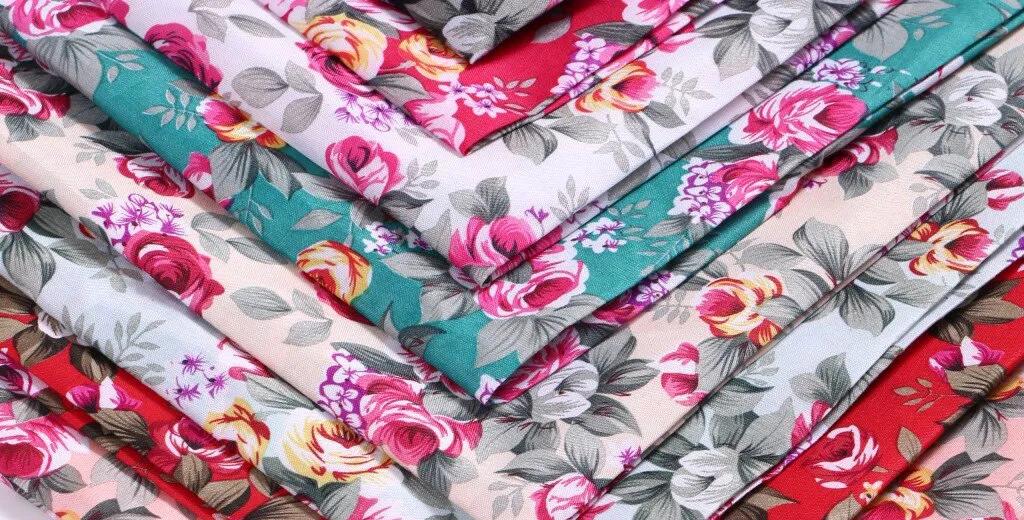
Fabric patterns play an important role in shaping the appearance and character of clothing, furniture, and decorative spaces. From subtle geometric designs to bold floral prints, patterned textiles allow designers to express different styles while adding visual interest to everyday products. Choosing the right material is equally important, as a fabric must offer an attractive appearance alongside practical qualities such as durability, easy maintenance, and versatility.
Polyester has become a widely used textile material because it can be manufactured in numerous textures, weights, and finishes. Polyester Patterned Fabric combines this adaptability with a broad range of decorative possibilities, making it suitable for clothing, curtains, upholstery, cushions, and other interior products. Its ability to support different printing and weaving techniques gives manufacturers and designers considerable freedom when developing coordinated collections.
What Makes Polyester Patterned Fabric Unique?
Polyester patterned fabric is a textile made primarily from synthetic polyester fibers and designed with decorative motifs or repeating structures. Patterns can be introduced through printing, weaving, knitting, or other textile finishing processes.
The material is valued for its adaptability. Manufacturers can produce lightweight fabrics for garments, medium-weight textiles for home accessories, and heavier constructions for selected upholstery applications.
Common characteristics include:
- Design flexibility: Available in floral, geometric, abstract, striped, and many other patterns.
- Durability: Polyester fibers generally offer good resistance to everyday wear.
- Shape retention: Many polyester constructions resist excessive shrinking and stretching under normal care conditions.
- Wrinkle resistance: The material often maintains a neat appearance with relatively little ironing.
- Easy maintenance: Many polyester products can be cleaned using straightforward care routines.
- Color versatility: Suitable printing and dyeing processes can produce a wide range of decorative effects.
The final performance depends on the fabric construction, yarn quality, finishing treatments, and intended use.
Why Polyester Is Popular in Modern Fashion
Fashion manufacturers need materials that can accommodate changing design trends while meeting practical production requirements. Polyester offers a useful combination of flexibility, durability, and availability in different fabric structures.
Wide Variety of Patterns
Polyester can feature detailed digital prints, repeating geometric shapes, delicate floral motifs, and bold artistic designs. This makes it suitable for both everyday clothing and statement fashion pieces.
Designers can also coordinate patterns across different garments and accessories to create consistent collections.
Lightweight and Flexible Options
Polyester fabrics are available in lightweight woven and knitted constructions that can support different garment styles. Depending on the yarn and finishing, they can provide a soft drape, structured appearance, or stretch.
This variety allows manufacturers to choose materials according to the design and expected wearing conditions.
Practical Everyday Performance
Many polyester garments are resistant to wrinkles and dry relatively quickly because the fibers absorb limited moisture. These characteristics make the material useful for clothing that requires convenient care.
For improved comfort, manufacturers may select breathable constructions or polyester blends that combine different fiber properties.
Popular Pattern Designs in Polyester Textiles
Patterns influence how a textile looks and how it fits into a particular fashion or interior design concept. Polyester supports a broad range of decorative styles.
Floral Patterns
Floral designs remain popular in dresses, shirts, scarves, curtains, and cushion covers. They can feature small repeating flowers for a subtle effect or large botanical illustrations for a more prominent appearance.
Different color combinations allow floral textiles to suit both traditional and contemporary settings.
Geometric Patterns
Geometric designs use shapes, lines, grids, and repeated arrangements to create a structured visual effect. They are commonly used in modern clothing, decorative cushions, upholstery accents, and curtains.
Their regular patterns can also make it easier to coordinate multiple textile products.
Abstract and Artistic Prints
Abstract patterns offer greater creative freedom through irregular shapes, layered colors, and expressive compositions. They are often selected for fashion collections and decorative products that need a distinctive visual identity.
Stripes and Checks
Stripes and checks are versatile designs that work across casual clothing, formal-inspired garments, table textiles, and home furnishings. Their appearance can range from understated to bold depending on scale and color selection.
Applications in Interior Decoration
Polyester patterned fabric is not limited to clothing. Its availability in different weights and finishes makes it useful for a variety of interior applications.
Curtains and Window Treatments
Patterned polyester curtains can add color and character to living rooms, bedrooms, offices, and hospitality spaces. Different fabric weights and surface finishes provide options for light decorative panels or heavier window treatments.
The choice should consider the desired level of privacy, light control, and overall room style.
Cushion Covers and Decorative Accessories
Cushions are an easy way to introduce patterns into an interior. Floral, geometric, and abstract polyester textiles can complement sofas, beds, chairs, and other furnishings.
Using coordinated patterns in different sizes can create visual balance without making a room feel overcrowded.
Upholstery and Furniture Accents
Selected polyester constructions are used in upholstery and furniture accessories because of their practical performance and design variety. The fabric should be chosen according to abrasion resistance, weight, texture, and the expected level of use.
Not every lightweight patterned polyester textile is suitable for furniture upholstery, so checking the technical specifications is important.
Table Linen and Decorative Panels
Patterned polyester can also be used for tablecloths, runners, decorative panels, and event furnishings. Its relatively easy maintenance makes it useful in settings where textiles are handled and cleaned frequently.
Printing and Weaving Techniques Used to Create Patterns
The appearance of patterned polyester depends partly on how the design is incorporated into the textile.
Digital Textile Printing
Digital printing transfers artwork directly onto compatible fabric using specialized printing equipment. It supports complex images, detailed patterns, and customized designs.
This method is particularly useful for smaller production runs and collections that require frequent design changes.
Sublimation Printing
Sublimation printing is commonly used with suitable polyester fabrics. Under controlled heat and pressure, compatible disperse dyes diffuse into the fibers, producing detailed designs and vibrant colors.
The process is widely used for customized apparel, decorative textiles, and promotional products.
Screen Printing
Screen printing transfers ink through a prepared mesh stencil. It is suitable for repeated patterns, bold graphics, and selected textile designs.
The ink formulation and fabric surface must be compatible to achieve suitable adhesion and print quality.
Jacquard and Woven Patterns
Some polyester fabrics incorporate patterns directly into their woven structure. Jacquard weaving, for example, allows intricate designs to be created through the arrangement of yarns rather than applying a printed image to the surface.
These fabrics can offer distinctive textures and decorative depth.
How to Choose the Right Polyester Patterned Fabric
Selecting an appropriate fabric requires attention to its intended application, visual design, and technical performance.
Consider these factors before purchasing:
- Intended use: Determine whether the material is for clothing, curtains, cushions, or upholstery.
- Fabric weight: Choose a weight that suits the product’s structure and expected use.
- Pattern scale: Large motifs may work well on curtains, while smaller designs can suit shirts and accessories.
- Color combination: Consider how the fabric will coordinate with other garments or interior elements.
- Surface texture: Evaluate softness, smoothness, and the overall feel of the textile.
- Durability: Check resistance to wear, washing, and repeated handling.
- Care requirements: Confirm that cleaning instructions are suitable for the intended environment.
- Print or weave quality: Look for clear patterns, consistent colors, and uniform construction.
Requesting samples can help buyers evaluate the actual texture, color, and quality before ordering larger quantities.
Care and Maintenance Tips
Although polyester is generally easy to maintain, appropriate care helps preserve its pattern, texture, and overall appearance.
- Follow the cleaning instructions supplied with the finished product.
- Use a suitable detergent and avoid unnecessarily harsh chemicals.
- Wash at the recommended temperature.
- Separate colors when appropriate to reduce the risk of color transfer.
- Avoid excessive heat when ironing or drying.
- Treat stains promptly using cleaning products suitable for the fabric.
- Store textiles in clean, dry conditions.
For curtains and upholstery, follow the manufacturer’s recommended cleaning method because coatings, backing materials, and decorative finishes may require special treatment.
Sustainability and New Developments in Polyester Patterned Textiles
The textile industry is increasingly exploring ways to reduce material waste and improve production efficiency. Recycled polyester is one option being used to incorporate recovered plastic materials into new textile products.
Advances in digital printing are also helping manufacturers produce customized patterns with greater flexibility. Depending on the process, digital production can reduce the need for some traditional preparation stages and make smaller design runs more practical.
Other developments include improved finishing technologies, more efficient dyeing systems, and fabrics designed to combine decorative appeal with functional performance. Buyers can assess sustainability claims by reviewing information about fiber sources, manufacturing processes, and relevant certifications.
Conclusion
Polyester patterned fabric is a popular choice for fashion and interior decoration because it combines design flexibility with practical textile performance. Its wide selection of patterns, fabric weights, textures, and finishes makes it suitable for garments, curtains, cushions, upholstery accents, and many other products.
Choosing the right material involves evaluating its construction, pattern scale, color quality, durability, and maintenance requirements. With thoughtful selection and appropriate care, patterned polyester textiles can bring lasting visual appeal and everyday functionality to both clothing collections and interior spaces.