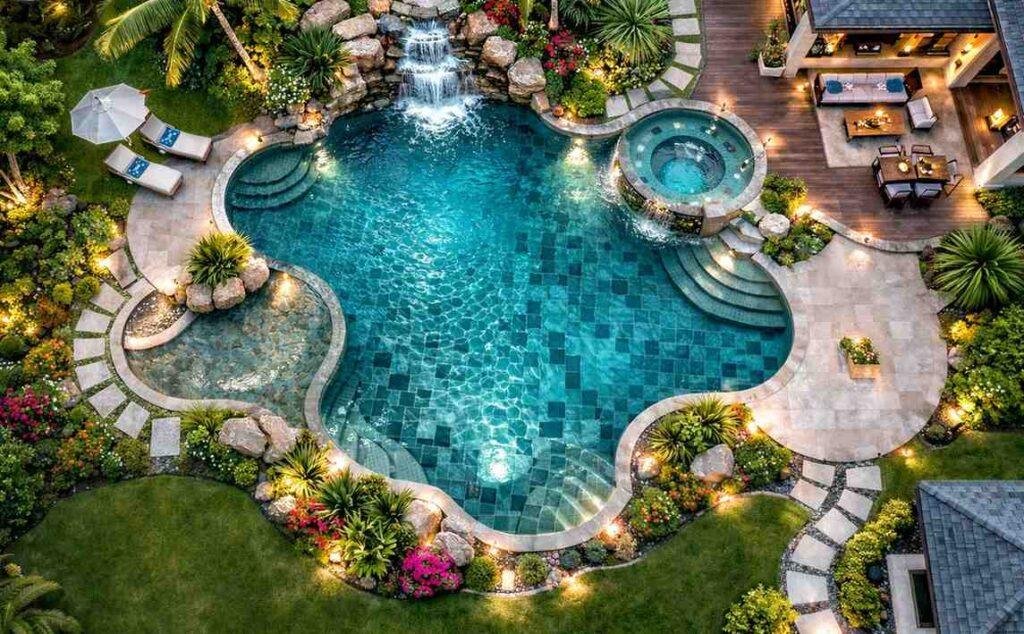
A swimming pool can be much more than a place to cool off on a warm day. It can become the centerpiece of an outdoor living area, a space for family gatherings, a personal retreat, or an extension of a property’s architectural style. Turning an idea into a finished pool, however, requires careful planning, thoughtful design, and professional construction. Every detail, from the pool’s shape to its lighting and surrounding landscape, contributes to the final experience.
The process begins with understanding how the space will be used and what features matter most. A professionally planned Custom Swimming Pool allows homeowners to bring personal preferences together with practical considerations such as available space, safety, materials, and long-term maintenance. With the right guidance, an initial concept can develop into a cohesive design that complements both the property and the owner’s lifestyle.
1. Start with a Clear Vision
Before discussing construction, take time to define what you want the pool to achieve. Some homeowners imagine a peaceful setting for relaxation, while others want an active swimming area or an outdoor entertainment destination.
Think about the people who will use the pool and the activities it should support. A family may prioritize shallow areas, steps, and convenient access. Someone interested in fitness may prefer a longer swimming lane, while a homeowner who enjoys hosting guests might want integrated seating and a nearby lounge area.
Consider making a list of essential features and optional additions. This helps distinguish between the elements that define the project and those that can be adjusted as the design develops.
2. Evaluate the Available Space
The property’s layout has a major influence on what can be built. A professional designer will assess the available area, ground conditions, access points, drainage, and the relationship between the proposed pool and existing structures.
Important factors include:
- Property dimensions: Determine how much space is available without overcrowding the outdoor area.
- Ground conditions: Soil type, slope, and groundwater conditions can affect construction requirements.
- Sun exposure: Consider how sunlight moves across the property throughout the day.
- Access: Allow sufficient room for construction equipment and future maintenance.
- Drainage: Plan how rainwater and surrounding runoff will move away from the pool.
A careful site assessment helps identify potential challenges before they become expensive changes during construction.
3. Choose a Pool Shape That Complements Your Property
Pool shape influences both appearance and usability. Rather than selecting a design simply because it is popular, consider how its proportions will work with the architecture and landscape.
Rectangular pools offer a clean, structured appearance and are often suitable for swimming laps. Freeform designs create a softer look that can blend naturally into gardens and informal outdoor spaces. Geometric pools may complement contemporary architecture, while compact plunge pools can provide a relaxing feature where space is limited.
The best shape is one that supports the intended activities and fits comfortably within the property’s overall layout.
4. Work with a Professional Pool Designer
Professional design guidance can help transform broad ideas into a practical construction plan. Designers consider structural requirements, circulation, filtration, equipment placement, safety, and the visual relationship between the pool and its surroundings.
They can also identify where certain ideas may need adjustment. For example, a dramatic infinity edge may require specific site conditions and additional engineering. A raised spa or integrated waterfall may influence plumbing and structural planning.
Working with experienced professionals early in the process helps create a realistic design, clarify technical requirements, and reduce the likelihood of costly revisions.
5. Select Materials and Finishes Carefully
Materials have a lasting effect on a pool’s appearance, durability, and maintenance requirements. The right choices should complement the property’s style while performing well under local environmental conditions.
Common options include:
- Concrete: Offers considerable flexibility in shape, depth, and integrated features.
- Fiberglass: Provides a smooth, manufactured shell in a range of established shapes and sizes.
- Tile: Can introduce decorative detail, patterns, and contrasting colors.
- Aggregate finishes: Offer varied textures and visual effects.
- Natural stone: Can create an organic appearance around selected pool edges and outdoor features.
Each material has different installation, maintenance, and cost considerations. Discuss these differences with the design and construction team before making a final selection.
6. Add Features That Reflect Your Lifestyle
Special features can make a pool feel distinctive, but they should contribute to the overall experience rather than complicate the design unnecessarily.
Consider additions such as:
Waterfalls and fountains: Moving water creates visual interest and a relaxing atmosphere. Their location and flow should be coordinated with the pool’s circulation system.
Integrated spas: A connected spa can provide a separate area for relaxation, although it may require additional heating and equipment.
Built-in benches: Underwater seating offers a convenient place to rest and socialize.
Tanning ledges: Shallow platforms provide space for lounging in the water, subject to appropriate safety and design considerations.
Lighting: Underwater and landscape lighting can improve nighttime visibility while creating a welcoming setting.
Choose features based on how the pool will actually be used. A focused selection of well-integrated additions often produces a more balanced result than including every available option.
7. Coordinate the Pool with the Outdoor Landscape
A well-designed pool should feel connected to its surroundings. The deck, planting, outdoor furniture, pathways, and nearby structures all contribute to the finished environment.
For a contemporary property, simple paving, clean lines, and restrained planting may create a cohesive look. A garden-inspired setting may benefit from natural textures, layered greenery, and curved pathways.
When planning the landscape, pay attention to practical details as well. Select plants that do not shed excessive leaves or flowers into the water, provide suitable drainage, and leave enough clearance around equipment and access areas.
The goal is to make the pool feel like a natural part of the property rather than an isolated installation.
8. Establish a Realistic Budget
A successful project requires a budget that accounts for more than the initial construction price. Excavation, structural work, plumbing, electrical installation, filtration, finishes, landscaping, and safety features can all contribute to the overall cost.
It is also important to consider ongoing expenses, including electricity, water treatment, cleaning supplies, repairs, and seasonal maintenance.
Ask contractors to provide a detailed estimate that explains what is included and identifies potential additional costs. Keeping a contingency allowance can help accommodate unexpected site conditions or necessary design adjustments.
Prioritize essential structural and equipment requirements before allocating funds to decorative upgrades.
9. Understand the Construction Process
Once the design and budget are approved, the project moves into construction. Although the exact sequence depends on the pool type and site, a typical process includes several stages:
- Site preparation: The area is surveyed, marked, and prepared for excavation.
- Excavation: The ground is removed according to the approved design.
- Structural construction: The pool shell or supporting structure is installed.
- Plumbing and electrical work: Circulation lines, filtration connections, and required electrical systems are fitted.
- Finishing: The selected interior surface, coping, and surrounding materials are installed.
- Equipment installation: Pumps, filters, heaters, lighting, and other systems are connected.
- Testing and completion: The pool is filled, systems are checked, and the water is prepared for use.
Regular communication with the construction team helps keep expectations clear. Ask for updates at important milestones and confirm any changes before work proceeds.
10. Make Safety Part of the Design
Safety should be considered from the earliest planning stages rather than added as an afterthought. The appropriate measures depend on local regulations, property conditions, and the intended users.
Potential provisions include secure pool barriers, self-closing gates, non-slip surfaces, visible depth markings, suitable entry steps, and adequate lighting. Where children may use the pool, additional layers of protection and active supervision are essential.
Electrical installations and underwater lighting should meet applicable safety standards and be handled by qualified professionals. Clear access around the pool also helps reduce trip hazards and makes routine maintenance easier.
11. Plan for Long-Term Maintenance
The finished pool should be designed with ongoing care in mind. Equipment that is difficult to access, complicated plumbing arrangements, or unsuitable materials can make routine maintenance more demanding.
During the design stage, discuss where pumps and filters will be located, how components can be serviced, and what cleaning methods the selected finish requires.
A practical maintenance plan typically includes water testing, surface cleaning, filter care, basket emptying, and periodic equipment inspections. Understanding these responsibilities before construction helps ensure that the finished design remains manageable over time.
12. Review the Finished Project Before Handover
Before considering the project complete, arrange a thorough walkthrough with the contractor. This is an opportunity to confirm that the finished installation matches the agreed plans and that the equipment operates correctly.
Ask the construction team to demonstrate the filtration system, pump controls, heating equipment, lighting, and any special features. Request operating manuals, warranties, maintenance instructions, and details of any required follow-up work.
It is also useful to understand the recommended water-testing routine and whom to contact if an equipment issue develops. A proper handover provides the knowledge needed to care for the pool confidently.
Conclusion
Turning a swimming pool vision into reality involves more than choosing an attractive shape or adding impressive features. It requires a coordinated approach that brings together site evaluation, professional design, suitable materials, careful budgeting, safe construction, and long-term planning.
By defining priorities early and working with qualified professionals, homeowners can create a pool that fits their property and supports the way they want to live. Thoughtful decisions at every stage help transform an initial idea into an inviting outdoor feature that can be enjoyed for years.